Wrist Pain from Typing: Causes, Symptoms & How to Fix It
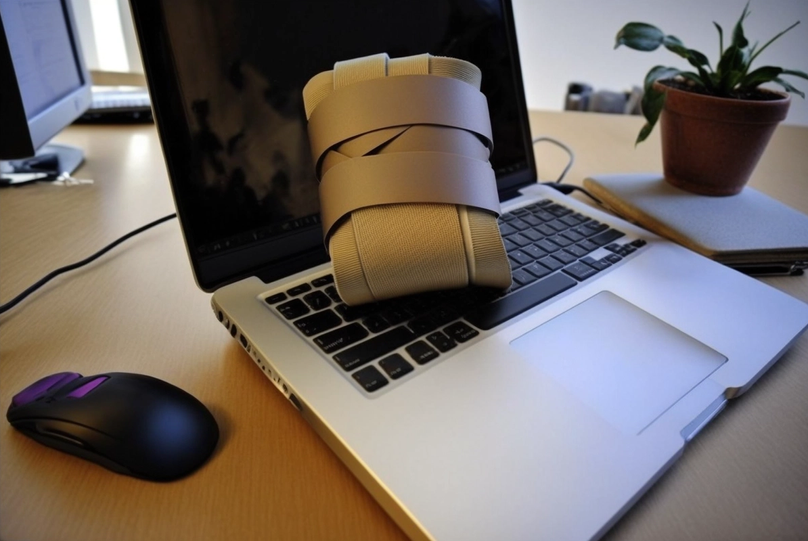
Do your wrists hurt after typing for a while?
That burning, tingling, or aching feeling isn’t something you should ignore! It’s often an early sign of strain caused by how you type. This often happens due to poor typing posture, which many beginners overlook.
The good news? Wrist pain from typing is usually preventable and reversible if you fix the root causes early.
In this guide, you’ll learn why your wrist hurts from typing, how to relieve the pain quickly, and what changes you should make to avoid it long-term.
What is Wrist Pain from Typing?
Wrist pain from typing is a type of repetitive strain injury caused by prolonged keyboard use, poor wrist positioning, and improper posture. It can lead to discomfort, stiffness, tingling, or even numbness in the wrist and fingers if not addressed early.
Why is Typing Correctly Important?
Do you want to develop a condition where you are always in pain when you do touch-type-related work? No right? That is the exact reason why typing correctly is important. It will not only keep you safe from typing-related medical conditions caused by bad posture, but it'll also help increase your productivity.
Understanding Wrist Pain from Typing and How It Starts
If you work long hours as a typist in front of a computer screen, you probably have noticed a tingling sensation in your wrists. This is your clue to start typing the right way before this sensation turns to wrist pain, and if left untreated, it can be chronic and lead to more severe conditions like Carpal Tunnel Syndrome. Ultimately affecting your productivity in the long run.
It is important for anyone who spends long hours working in front of computer screens to understand wrist pain from typing. The repetitive motion in typing can cause damage to not only the muscles but your tendons and nerves as well.
Top Causes of Wrist Pain from Typing
Understanding the cause is the first step to fixing the problem. Here are the most common reasons your wrist may hurt while typing:
1. Poor Wrist Position
If your wrists are bent upward or downward while typing, it puts constant pressure on tendons and nerves.
2. Repetitive Strain (RSI)
Typing for long periods without breaks can lead to repetitive strain injury, where muscles and tendons become overworked.
3. Bad Keyboard or Desk Height
A keyboard that is too high or too low forces your wrists into unnatural angles, increasing strain over time.
4. Lack of Breaks
Typing continuously without rest prevents your muscles from recovering, leading to stiffness and pain.
5. Incorrect Typing Technique
Using too much force on keys or poor finger placement can increase stress on your wrists.
6. Poor Overall Posture
Slouching or improper sitting position can indirectly affect wrist alignment and lead to discomfort.
Common Symptoms of Wrist Pain from Typing
Wrist pain doesn’t always start strong. It often builds gradually. Watch for these signs:
- Dull ache or sharp pain in the wrist
- Tingling or numbness in fingers
- Stiffness, especially after typing sessions
- Weak grip strength
- Burning sensation in the wrist or forearm
- Difficulty in performing fine motor tasks
If your accuracy is low while typing, it can increase strain - improving it with a typing accuracy test can help reduce unnecessary effort. If you notice these symptoms early, you can prevent them from getting worse with simple adjustments. If left untreated, these may affect your day-to-day activities, which involve wrist movement, such as cooking, writing, or driving. Without proper treatment, wrist pain can lead to more severe conditions like Carpal Tunnel Syndrome. However, if you follow the proper techniques, this will help you to stay safe from the hand and wrist pain related to keyboarding.
Immediate Relief
If you’re already feeling pain, here are quick ways to reduce it:
1. Take a Break
Stop typing for at least 10–15 minutes to let your muscles relax.
2. Adjust Your Wrist Position
Keep your wrists straight and aligned with your forearms; not bent.
3. Apply Ice or Heat
Ice helps reduce inflammation, while heat relaxes tight muscles.
4. Do Gentle Wrist Stretches
Slow stretching can relieve tension and improve blood flow.
5. Reduce Typing Force
Avoid hitting keys too hard. Typing should feel light and effortless.
These quick fixes can provide immediate relief, but long-term prevention is key.
How to Prevent Wrist Pain While Typing
Preventing wrist pain is all about improving your setup and habits.
1. Maintain a Neutral Wrist Position
Your wrists should stay straight, not bent up or down. Learning correct finger positioning on the keyboard can help keep your wrists naturally aligned.
2. Use Proper Typing Posture
Sit upright, keep your elbows at a 90-degree angle, and position your keyboard at elbow height.
3. Take Regular Breaks
Follow the 20-30 minute rule; take short breaks to relax your hands and wrists. You can also combine breaks with short sessions of a typing practice test to improve efficiency without overworking your hands.
4. Improve Your Typing Technique
Use all fingers instead of overloading a few. Proper finger placement reduces strain. If you’re unsure about correct finger placement, follow a proper touch typing guide to reduce unnecessary strain.
5. Keep Your Hands Relaxed
Avoid tension while typing; your hands should feel loose, not stiff.
6. Optimize Your Workspace
Ensure your chair, desk, and keyboard are aligned to support natural movement.
Proper Typing Techniques

Sit straight and keep your back straight. Always keep your wrists in a neutral position and not resting on the table. Your feet should be placed flat on the ground; use a footrest if necessary. Your thighs and forearms should be parallel to the ground, elbows close to your sides, and shoulders relaxed.
Importance of Good Posture
A good posture is as important as a healthy diet since both directly affect your productivity. One can say that a good posture is directly proportional to increased productivity, and at the end of the day, that's all we want, right? Below are some tips on how you can achieve a proper posture while using a computer keyboard.
Read more about the benefits of a proper typing posture...
Proper Position and Finger Placement
Proper position and finger placement are crucial for preventing wrist pain and other RSIs associated with keyboarding. Proper typing position includes;
- Sitting up straight with a straight back
- Placing your feet flat on the ground
- Keeping your thighs and forearms parallel to the ground
- Keeping your computer keyboard and mouse at the same height as your elbows
- Keeping your wrists in a neutral position
- Placing the screen at an arm's length from your eyes
Similarly, for proper finger placement;
- Home row keys should be the starting point for proper finger placement
- ASDF for the left hand
- J, K, L, and; for right hand
- Thumbs should rest on the spacebar
- The remaining fingers can be used to reach for other keys
Exercises to reduce wrist pain from typing

There are many exercises that can help us all reduce wrist pain when typing. These exercises work even better when combined with proper typing habits and techniques. Some of them include:
Stretching exercise to improve wrist flexibility
Hold your arms in front of you, palms down; using one hand, gently pull the fingers of the other hand downwards until you feel a stretch in your wrist. Release after 10-15 seconds and repeat the same for your other hand.
Strengthening exercise to reduce wrist strain
Place your forearm on a flat surface, palm down, with your hand hanging off the edge. Hold a small weight or a can of soup in your hand and slowly lift it by bending your wrist. Repeat this 10-15 times, then switch to your other arm.
Other exercises to promote better circulation
Some other exercises that you can try to promote better circulation are;
- Fist Clenching:
Make a fist with your hand and squeeze tightly. Repeat this exercise several times with each hand. - Finger Taping:
Place your hand palm down on a flat surface with your fingers spread apart. Now tap each of your fingers on the surface of a table, starting from your pinky to your thumb. Then repeat in reverse order. - Wrist Circles:
Hold your hand in front and rotate your wrist in a circular motion. Repeat this exercise multiple times, rotating your wrist in both directions.
All these exercises discussed above will take only 10 minutes to perform. Try it every day, and you will get very fast relief.
Ergonomic Tools to Reduce Wrist Pain from Typing

Ergonomics can be defined as the positioning or alignment of the body in a workspace in such a way that it reduces strain on the body and helps increase productivity by providing a relaxed working environment. Some ergonomic tools that you can use to reduce wrist pain from typing are as follows;
Wrist rests and cushions
Wrist rests, and cushions are helpful tools that provide support to the wrists while typing. These should be placed directly in front of the keyboard with fingers reaching for the keys without any strain. However, it should be noted that these are not direct replacements for proper typing techniques but merely tools to support them.
Ergonomic mouse and keyboard
Ergonomic mouse and keyboards are also tools that support achieving and maintaining a standard position to reduce wrist hurt while typing. These are specially designed to provide a more comfortable and natural working position. An Ergonomic mouse is designed to fit the hand more naturally, reducing the risk of repetitive strain injuries. It may be different in shape than a regular mouse and may have some additional buttons which can be customized to reduce clicking. Similarly, an ergonomic keyboard may be curved or split in design. It may also have wrist rests to reduce wrist strain for longer typing assignments. It helps reduce the risk of RSIs by providing a more relaxed position for arms, wrists, and fingers. Ultimately increasing productivity.
Alternate input devices such as touchpads or trackballs
Alternate input devices such as trackballs and touchpads can help prevent wrist pain while typing and reduce the risk of repetitive strain injuries because they allow for more natural movement as compared to a regular mouse or keyboard in which repetitive movements play a major role. A touchpad allows for more fingers, increasing the range of motions and decreasing repetitive motions. Similarly, a trackball allows you to move the cursor more freely while your hand is placed in a natural position. Other than that, it is very difficult for people with pain in their hands and lower grip strength to click multiple times and frequently repeats a similar motion. That's why these tools are considered helpful in reducing wrist pain from keyboarding.
Seeking Professional Help for wrist pain from typing

Sometimes seeking help from a professional becomes imperative. Even though we try not to seek help and carry on with a little inconvenience, it can cost us much more than we could ever expect.
When Should You See a Doctor?
Most wrist pain from typing improves with simple changes. However, you should seek medical advice if:
- Pain lasts for several weeks
- You feel persistent numbness or tingling
- Your grip becomes weak
- Pain worsens over time
These could be signs of more serious conditions like nerve compression or carpal tunnel syndrome.
Do not wait around and consult a doctor as soon as possible. The doctor may recommend specific treatments such as medication, physical therapy, or sometimes surgery in severe cases. Addressing wrist pain before it worsens and causes long-term damage is crucial.
Common treatments
Some common treatments for wrist pain from typing are;
- Taking Rest
- Ice and Heat Therapy
- Pain Medication
- Physical Therapy
- Wrist Splints
- Corticosteroid Injections
- Surgery
Related Typing Guides:
Want to improve your typing even further? Explore these helpful guides:
→ Improve speed with a typing speed test
→ Touch typing benefits (All-in-1)
→ Learn proper technique with a touch typing guide
Frequently Asked Questions:
Why does my wrist hurt when typing?
It’s usually caused by poor wrist positioning, repetitive strain, or improper posture during long typing sessions.
How do I stop wrist pain immediately?
Some exercises that can help reduce the risk of wrist pain from typing include fist clenching, strengthening exercises, circular wrist rotations, and Finger Taping. Take a break, stretch your wrists, adjust your typing position, and avoid putting pressure on your hands.
Can typing cause permanent damage?
If ignored for a long time, it can lead to conditions like carpal tunnel syndrome. Early prevention is key.
Is wrist pain from typing common?
Yes, especially among people who type for long hours without proper ergonomics.
What are the treatment options for wrist pain from typing?
The most common treatment options for wrist pain from typing include Taking some rest, using wrist splints, ice and heat therapy, pain medication, corticosteroid injections, and surgery for severe cases.
How can I avoid Wrist Pain from typing?
Use ergonomic tools such as an ergonomic keyboard, mouse, touchpad, and trackballs. Achieve proper typing posture and maintain it.
Is Ergonomics important?
Ergonomics is as important as a healthy diet because both help increase productivity. One can even say that ergonomics is directly proportional to increased productivity.
Improve Your Typing Without Pain
Fixing wrist pain isn’t just about comfort; it’s about typing smarter.
If you want to improve your typing speed while maintaining proper technique, try structured lessons and a real-time typing test to track your progress.
You can also follow guided exercises designed to improve accuracy and reduce strain - helping you type faster without pain.
Key Takeaways
Wrist pain from typing is a prevalent issue among all who work long hours as typists in front of a computer screen. Although it isn't given much attention, it can have severe implications in the long run and can lead to conditions like Carpal Tunnel Syndrome. Wrist pain can be avoided by using various ergonomic tools discussed above. You can also incorporate some stretching and strengthening exercises. If you are already feeling unwell in your fingers along with pain, then it is imperative to consult a medical professional.